PUBLISHED IN CAMEROON. MADE FOR POSSIBILITY.
Books that build Cameroon’s classrooms
From first letters to exam preparation. Find the next book in your learning journey.
For the classroom. For the community. For what comes next.
PUBLISHED IN CAMEROON. MADE FOR POSSIBILITY.
Over 200 titles. Every level. Every core subject.
Explore educational books for learners, teachers and families.
For the classroom. For the community. For what comes next.
PUBLISHED IN CAMEROON. MADE FOR POSSIBILITY.
Free educational PDFs download & learn today
Sign in to access our free teacher guides.
For the classroom. For the community. For what comes next.
PUBLISHED IN CAMEROON. MADE FOR POSSIBILITY.
Publish your book with Anucam
From your first manuscript to a book ready for readers.
For the classroom. For the community. For what comes next.
PUBLISHED IN CAMEROON. MADE FOR POSSIBILITY.
Partnering with the for low-cost school books
Working towards more accessible educational publishing.
For the classroom. For the community. For what comes next.
PUBLISHED IN CAMEROON. MADE FOR POSSIBILITY.
Books that build Cameroon’s classrooms
From first letters to exam preparation. Find the next book in your learning journey.
For the classroom. For the community. For what comes next.
PUBLISHED IN CAMEROON. MADE FOR POSSIBILITY.
Over 200 titles. Every level. Every core subject.
Explore educational books for learners, teachers and families.
For the classroom. For the community. For what comes next.
PUBLISHED IN CAMEROON. MADE FOR POSSIBILITY.
Free educational PDFs download & learn today
Sign in to access our free teacher guides.
For the classroom. For the community. For what comes next.
PUBLISHED IN CAMEROON. MADE FOR POSSIBILITY.
Publish your book with Anucam
From your first manuscript to a book ready for readers.
For the classroom. For the community. For what comes next.
PUBLISHED IN CAMEROON. MADE FOR POSSIBILITY.
Partnering with the for low-cost school books
Working towards more accessible educational publishing.
For the classroom. For the community. For what comes next.
THE ANUCAM COLLECTION · 21 LITERATURE & STORY TITLES
Discover your next great read.
Explore literature, memorable characters and fresh perspectives from the ANUCAM collection.
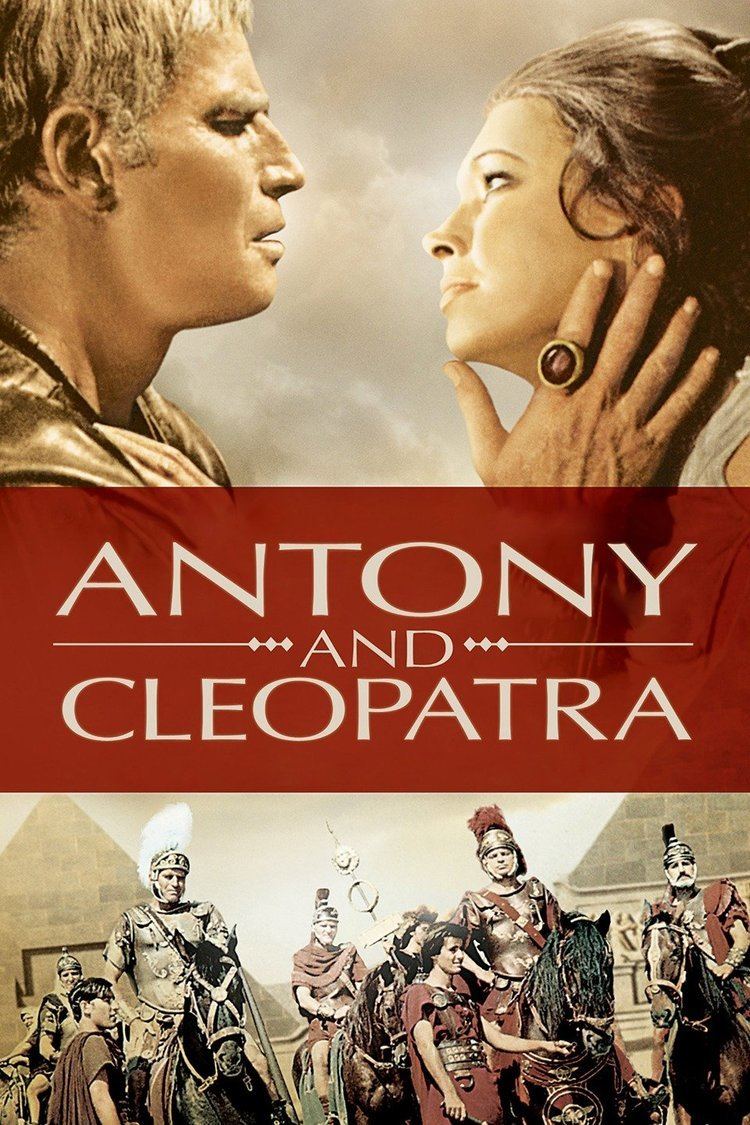 Anthony and Cleopatra
THE ANUCAM COLLECTION · 21 LITERATURE & STORY TITLES
Discover your next great read.
Explore literature, memorable characters and fresh perspectives from the ANUCAM collection.
Anthony and CleopatraFIND YOUR NEXT BOOK
Search the ANUCAM Library
Search by book title, subject, level or category.
Press Enter or select a book from the suggestions to open it.
Since 2007
200+ titles
Approved by the Ministries of Basic & Secondary Education
partner
Sharing Knowledge & Cultural Diversity
Where does your learning begin?
Choose a learning stage below and explore the books available in that section of the ANUCAM Library.
THE ANUCAM LIBRARY
Pre-Nursery & Nursery
1,000 FCFAView DetailsMake Enquiry
1,000 FCFAView DetailsMake Enquiry
1,000 FCFAView DetailsMake Enquiry
500 FCFAView DetailsMake Enquiry
1,000 FCFAView DetailsMake Enquiry
1,000 FCFAView DetailsMake Enquiry
1,500 FCFAView DetailsMake Enquiry
1,000 FCFAView DetailsMake Enquiry
Pre-Nursery & Nursery
Drawing and Colouring Pre Nursery
Nursery Education · Activity Book
Pages / edition: 76 / Edition
PHYSICAL BOOK1,000 FCFAView DetailsMake Enquiry
THE ANUCAM LIBRARY
Primary Education
1,000 FCFAView DetailsMake Enquiry
2,500 FCFAView DetailsMake Enquiry
1,700 FCFAView DetailsMake Enquiry
2,500 FCFAView DetailsMake Enquiry
2,000 FCFAView DetailsMake Enquiry
2,500 FCFAView DetailsMake Enquiry
3,500 FCFAView DetailsMake Enquiry
2,500 FCFAView DetailsMake Enquiry
2,000 FCFAView DetailsMake Enquiry
2,000 FCFAView DetailsMake Enquiry
2,000 FCFAView DetailsMake Enquiry
2,000 FCFAView DetailsMake Enquiry
2,000 FCFAView DetailsMake Enquiry
2,000 FCFAView DetailsMake Enquiry
Primary Education
Language Activity Book 1
Primary Education · English
Pages / edition: 70
PHYSICAL BOOKPrimary Education
Language Activity Book 2
Primary Education · English
Pages / edition: 68
PHYSICAL BOOKPrimary Education
Mathematics Activity Nursery 1
Primary Education · Mathematics
Pages / edition: 56
PHYSICAL BOOKPrimary Education
Mathematics Activity Nursery 2
Primary Education · Mathematics
Pages / edition: 68
PHYSICAL BOOKTHE ANUCAM LIBRARY
Secondary Education
4,000 FCFAView DetailsMake Enquiry
2,000 FCFAView DetailsDownload PDF
9,000 FCFAView DetailsMake Enquiry
3,500 FCFAView DetailsMake Enquiry
Secondary Education
Advance Level English for Cameroon Schools
Secondary Education · English
PHYSICAL BOOK4,000 FCFAView DetailsMake Enquiry
500 FCFAView DetailsDownload PDF
2,500 FCFAView DetailsMake Enquiry
2,500 FCFAView DetailsMake Enquiry
4,000 FCFAView DetailsMake Enquiry
Secondary Education
Effective Mathematicsematics Book 1
Secondary Education · Mathematics
PHYSICAL BOOK3,500 FCFAView DetailsMake Enquiry
Secondary Education
Effective Mathematicsematics Book 2
Secondary Education · Mathematics
PHYSICAL BOOK2,500 FCFAView DetailsMake Enquiry
3,000 FCFAView DetailsMake Enquiry
3,000 FCFAView DetailsMake Enquiry
3,000 FCFAView DetailsMake Enquiry
Secondary Education
Ordinary Level MathematicsS FOR CAMEROON SCHOOLS
High School · Mathematics
PHYSICAL BOOK5,000 FCFAView DetailsMake Enquiry
High School
Life Skills for Every Young Girl
High School · Literature
DIGITAL BOOKLife-Skills for every Young Girl is the most comprehensive, scintillat- ing and erudite write up on empowering young girls plagued with many challenges in this generation. It is an unimpeachable testimony that the situation of our young ladies is redeemable despite all the odds, real or imagined. Written in a simple style and properly illustrated, it effectively commu- nicates the message that whatever the challenges facing young girls and the obstacles that impede their development into full-bloom personali- ties capable of playing substantial roles in society, there are simple rules of life to follow in order to beat obstacles and challenges so as to live life to the full. The greatest asset of the text therefore, is that it is skills-based and easy to follow with minimum assistance from a mentor. Similarly, it provides answers to most of the questions that young ladies and their mentors often ask and presents leads for them to successfully navigate through life without getting hurt and when hurt, it also portrays how to get out of the hurt and go about life without the victim mentality that hibits rapid progress. It is therefore, a MUST READ for all girls growing up and willing to make a difference in life. It is equally an invaluable tool placed at the disposal of all parents, inspirational workers and development institu- tions who are dealing with girl-child educational issues.
THE ANUCAM LIBRARY
Story Books
1,000 FCFAView DetailsMake Enquiry
1,500 FCFAView DetailsMake Enquiry
2,500 FCFAView DetailsDownload PDF
2,500 FCFAView DetailsMake Enquiry
THE ANUCAM LIBRARY
Free to download
Teacher guides. No purchase required. A free account opens the door.
WHAT MAKES THEM EFFECTIVE
Why Anucam books work
01
Syllabus-Centred
02
Graded & Sequenced
03
Teacher & Learner Friendly
04
Learner-Centred
05
Highly Illustrated
06
Durable & Affordable
07
Examination-Focused
Beyond the printed page
Our servicesBook Publishing
Research-led educational publishing shaped through collaboration with educators and subject experts.
Graphic Design & Illustration
Book covers, learning materials and illustrations, with a tailored approach and attention to timely delivery.
Business Management Solutions & Software Training
Practical systems for SMEs and hands-on training that helps teams use their everyday business tools.
Self-Publication Services
Bring your manuscript to readers with support from editing to distribution, including affordable packages for first-time authors.
Turn your manuscript into a published book
Explore self-publication [email protected]LEARNING BELONGS TO EVERYONE
A stronger community, one book at a time
Book donations, annual student prizes and sponsored pedagogic seminars are part of Anucam’s commitment to education beyond the catalogue.
Our community commitmentFrom the blog
A new chapter is coming. Education news, teaching ideas and author stories will appear here when published.
Visit the blog
Activity Book
Charts
Citizenship
Digital
English
Exam Classes
French
General Knowledge
Guides
High School
History
Literature
Mathematics
Nursery Education
Other Publications
Others
Physical
Pre-Nursery & Nursery
Primary Education
Science
Secondary Education
Story Book
Story Books
Unconfirmed
[CLIENT TO CONFIRM]
FIND YOUR NEXT BOOK
Search the ANUCAM Library
Search by book title, subject, level or category.
Press Enter or select a book from the suggestions to open it.
Since 2007
200+ titles
Approved by the Ministries of Basic & Secondary Education
partner
Sharing Knowledge & Cultural Diversity
Where does your learning begin?
Choose a learning stage below and explore the books available in that section of the ANUCAM Library.
THE ANUCAM LIBRARY
Pre-Nursery & Nursery
1,000 FCFAView DetailsMake Enquiry
1,000 FCFAView DetailsMake Enquiry
1,000 FCFAView DetailsMake Enquiry
500 FCFAView DetailsMake Enquiry
1,000 FCFAView DetailsMake Enquiry
1,000 FCFAView DetailsMake Enquiry
1,500 FCFAView DetailsMake Enquiry
1,000 FCFAView DetailsMake Enquiry
Pre-Nursery & Nursery
Drawing and Colouring Pre Nursery
Nursery Education · Activity Book
Pages / edition: 76 / Edition
PHYSICAL BOOK1,000 FCFAView DetailsMake Enquiry
THE ANUCAM LIBRARY
Primary Education
1,000 FCFAView DetailsMake Enquiry
2,500 FCFAView DetailsMake Enquiry
1,700 FCFAView DetailsMake Enquiry
2,500 FCFAView DetailsMake Enquiry
2,000 FCFAView DetailsMake Enquiry
2,500 FCFAView DetailsMake Enquiry
3,500 FCFAView DetailsMake Enquiry
2,500 FCFAView DetailsMake Enquiry
2,000 FCFAView DetailsMake Enquiry
2,000 FCFAView DetailsMake Enquiry
2,000 FCFAView DetailsMake Enquiry
2,000 FCFAView DetailsMake Enquiry
2,000 FCFAView DetailsMake Enquiry
2,000 FCFAView DetailsMake Enquiry
Primary Education
Language Activity Book 1
Primary Education · English
Pages / edition: 70
PHYSICAL BOOKPrimary Education
Language Activity Book 2
Primary Education · English
Pages / edition: 68
PHYSICAL BOOKPrimary Education
Mathematics Activity Nursery 1
Primary Education · Mathematics
Pages / edition: 56
PHYSICAL BOOKPrimary Education
Mathematics Activity Nursery 2
Primary Education · Mathematics
Pages / edition: 68
PHYSICAL BOOKTHE ANUCAM LIBRARY
Secondary Education
4,000 FCFAView DetailsMake Enquiry
2,000 FCFAView DetailsDownload PDF
9,000 FCFAView DetailsMake Enquiry
3,500 FCFAView DetailsMake Enquiry
Secondary Education
Advance Level English for Cameroon Schools
Secondary Education · English
PHYSICAL BOOK4,000 FCFAView DetailsMake Enquiry
500 FCFAView DetailsDownload PDF
2,500 FCFAView DetailsMake Enquiry
2,500 FCFAView DetailsMake Enquiry
4,000 FCFAView DetailsMake Enquiry
Secondary Education
Effective Mathematicsematics Book 1
Secondary Education · Mathematics
PHYSICAL BOOK3,500 FCFAView DetailsMake Enquiry
Secondary Education
Effective Mathematicsematics Book 2
Secondary Education · Mathematics
PHYSICAL BOOK2,500 FCFAView DetailsMake Enquiry
3,000 FCFAView DetailsMake Enquiry
3,000 FCFAView DetailsMake Enquiry
3,000 FCFAView DetailsMake Enquiry
Secondary Education
Ordinary Level MathematicsS FOR CAMEROON SCHOOLS
High School · Mathematics
PHYSICAL BOOK5,000 FCFAView DetailsMake Enquiry
High School
Life Skills for Every Young Girl
High School · Literature
DIGITAL BOOKLife-Skills for every Young Girl is the most comprehensive, scintillat- ing and erudite write up on empowering young girls plagued with many challenges in this generation. It is an unimpeachable testimony that the situation of our young ladies is redeemable despite all the odds, real or imagined. Written in a simple style and properly illustrated, it effectively commu- nicates the message that whatever the challenges facing young girls and the obstacles that impede their development into full-bloom personali- ties capable of playing substantial roles in society, there are simple rules of life to follow in order to beat obstacles and challenges so as to live life to the full. The greatest asset of the text therefore, is that it is skills-based and easy to follow with minimum assistance from a mentor. Similarly, it provides answers to most of the questions that young ladies and their mentors often ask and presents leads for them to successfully navigate through life without getting hurt and when hurt, it also portrays how to get out of the hurt and go about life without the victim mentality that hibits rapid progress. It is therefore, a MUST READ for all girls growing up and willing to make a difference in life. It is equally an invaluable tool placed at the disposal of all parents, inspirational workers and development institu- tions who are dealing with girl-child educational issues.
THE ANUCAM LIBRARY
Story Books
1,000 FCFAView DetailsMake Enquiry
1,500 FCFAView DetailsMake Enquiry
2,500 FCFAView DetailsDownload PDF
2,500 FCFAView DetailsMake Enquiry
THE ANUCAM LIBRARY
Free to download
Teacher guides. No purchase required. A free account opens the door.
WHAT MAKES THEM EFFECTIVE
Why Anucam books work
01
Syllabus-Centred
02
Graded & Sequenced
03
Teacher & Learner Friendly
04
Learner-Centred
05
Highly Illustrated
06
Durable & Affordable
07
Examination-Focused
Beyond the printed page
Our servicesBook Publishing
Research-led educational publishing shaped through collaboration with educators and subject experts.
Graphic Design & Illustration
Book covers, learning materials and illustrations, with a tailored approach and attention to timely delivery.
Business Management Solutions & Software Training
Practical systems for SMEs and hands-on training that helps teams use their everyday business tools.
Self-Publication Services
Bring your manuscript to readers with support from editing to distribution, including affordable packages for first-time authors.
Turn your manuscript into a published book
Explore self-publication [email protected]LEARNING BELONGS TO EVERYONE
A stronger community, one book at a time
Book donations, annual student prizes and sponsored pedagogic seminars are part of Anucam’s commitment to education beyond the catalogue.
Our community commitmentFrom the blog
A new chapter is coming. Education news, teaching ideas and author stories will appear here when published.
Visit the blog
Activity Book
Charts
Citizenship
Digital
English
Exam Classes
French
General Knowledge
Guides
High School
History
Literature
Mathematics
Nursery Education
Other Publications
Others
Physical
Pre-Nursery & Nursery
Primary Education
Science
Secondary Education
Story Book
Story Books
Unconfirmed
[CLIENT TO CONFIRM]

Self-publish with ANUCAM
Your story deservesto become a book.
Bring your manuscript to life with ANUCAM. From refining your words to preparing your book for readers, explore support for every stage of your publishing journey.
- Manuscript editing & proofreading
- Professional cover design & layout
- ISBN & copyright registration
- Printing & binding services
- Marketing & distribution support
Have a manuscript or an idea? Let’s talk.
+237 651 266 673 · [email protected]
Self-publish with ANUCAM
Your story deservesto become a book.
Bring your manuscript to life with ANUCAM. From refining your words to preparing your book for readers, explore support for every stage of your publishing journey.
- Manuscript editing & proofreading
- Professional cover design & layout
- ISBN & copyright registration
- Printing & binding services
- Marketing & distribution support
Have a manuscript or an idea? Let’s talk.
+237 651 266 673 · [email protected]